

- Age
- 30 Years
- Location
- Kaduna
- Marital Status
- Married
- Education
- Incomplete Higher
- Pathways Segment
A food seller using a basic phone to support her daily business and routine

For some women, digital journeys do not stall, they end. Continued progression is not assumed or desired once phone use feels sufficient for daily life. Moving beyond this point would require both a clear reason to expand (a benefit that feels relevant and worthwhile) and confidence that the capacity to use more complex tools can be built.
How She Uses the Phone
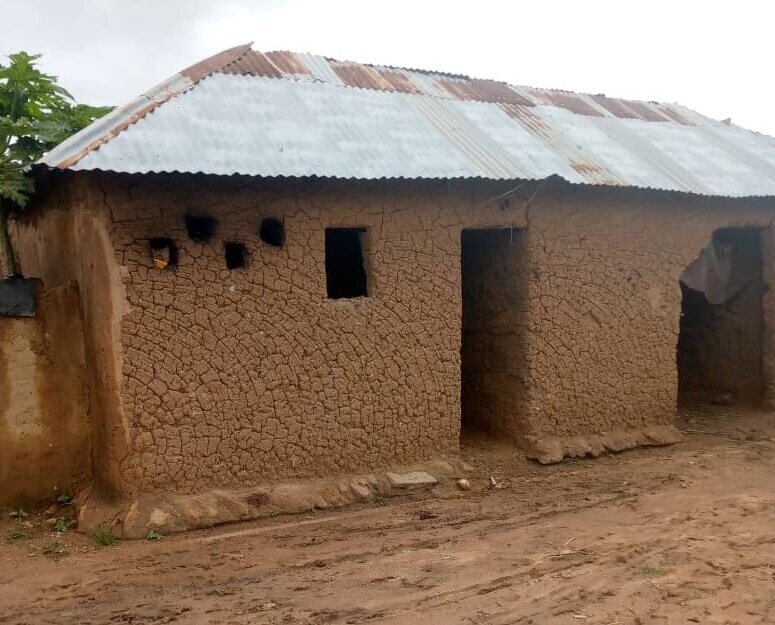
Amina is 30 and lives in an urban neighbourhood in Kaduna. She sells groundnut cakes, preparing them at home and supplying regular customers and small shops nearby. Her phone plays a practical role in keeping this work going, but it is not central to how she thinks about her business.
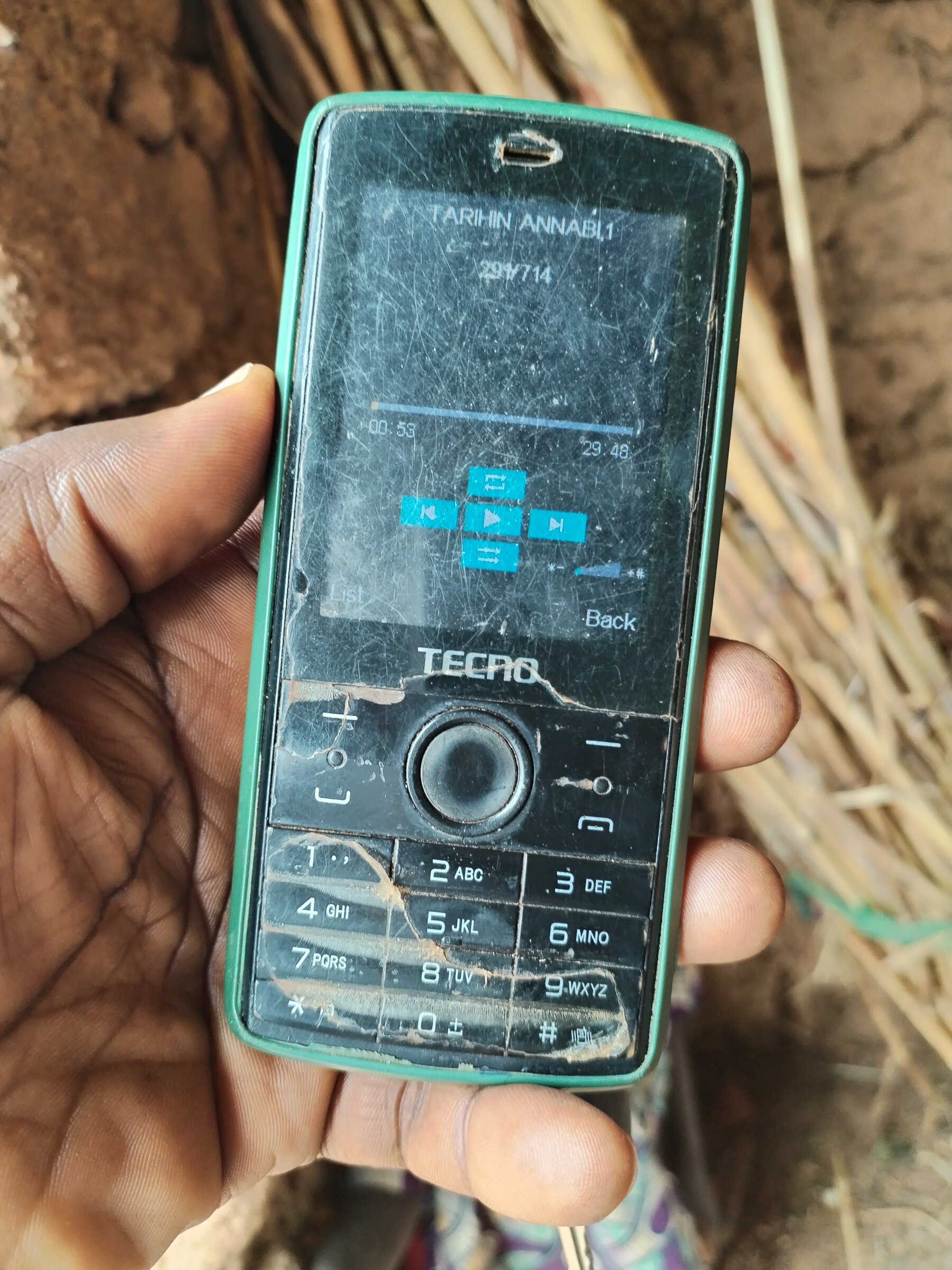
Amina uses a feature phone that was passed on to her by her husband when he upgraded his own device. The phone supports only basic functions, and her use is focused almost entirely on calls. Customers call to place orders or check availability, and she calls shopkeepers to confirm pick-up times or payments.

“They call me when they want more,” she says. “I also call to ask if they will collect today.” For Amina, being reachable is what matters most.
She does not browse the internet or explore apps, and she does not feel the need to. Airtime is more important than data, and her work continues even when there is no internet access. She prefers calls because they are direct and familiar. “With calling, you finish and you know,” she explains. “There is no confusion.”
Outside of work, Amina’s phone is mostly used for listening. She keeps religious audio files saved on the device and listens to them while cooking, resting, or in the evenings.

This content feels appropriate and useful to her, and she returns to the same recordings often rather than seeking new material.
Charging is done at a nearby charging centre. Because the phone is a feature phone and her use is limited, the battery lasts longer. Even when charging takes time, it rarely interrupts her work for more than a day.
Amina’s phone use is steady and contained. It does what she needs it to do, and she does not feel pressure to expand beyond that.

Her Ecosystem of Learning and Facilitation
Amina learned how to use most of the functions on her phone through her son. When she had wanted religious content on her device, he took her phone to a charging centre where media could be loaded and downloaded Qur’an recitations for her.

“He brought it back and said, ‘I have put it inside,’” Amina recalls.
He then showed her how to open the audio files, play them, and adjust the volume. At first, she was careful, worried she might press the wrong button. “I was afraid I would spoil it,” she says. He repeated the steps until she could remember the pattern. After that, she did not need help again.
Amina does not search for or download new content herself. When she wants something added or changed, she asks her son. “I just tell him what I want,” she explains. Basic learning happens in these one-time moments, which are enough for her to continue using the phone independently afterward for her limited needs.
Her digital use has grown only where she felt it needed to. With a hand-me-down feature phone and occasional help from her son, Amina has learned just enough to support her daily routine and keep her business running, without feeling the need to become more digital than that.