

- Age
- 30 Years
- Location
- Tambacounda
- Marital Status
- Married
- Education
- No Education
- Pathways Segment
A rural Senegal farmer with no personal phone, relying on her husband for access

For some women, being digitally unconnected is the norm. Access occurs only in brief, mediated moments through others, effectively putting them outside the digital mainstream. Designing for individuals in this situation is often unrealistic; any meaningful reach must work through household intermediaries rather than direct use.
How She Uses the Phone
Binta is a farmer living in a rural area, growing crops such as carrots, eggplant, okra, and bissap mainly for household consumption. When there is a surplus after harvest, she sells small quantities to cover basic needs like sugar, rice, and cooking oil. She does not own a phone.
All of Binta’s phone access is mediated through her husband. When he is at home, she borrows his phone to call relatives or acquaintances, especially to inform them when she has produce to sell and at what price. “If I harvest and there is extra, I ask him to call people so they can come,” she explains. When her husband is travelling, she has no access at all. “If he is not around, I just wait,” she says.
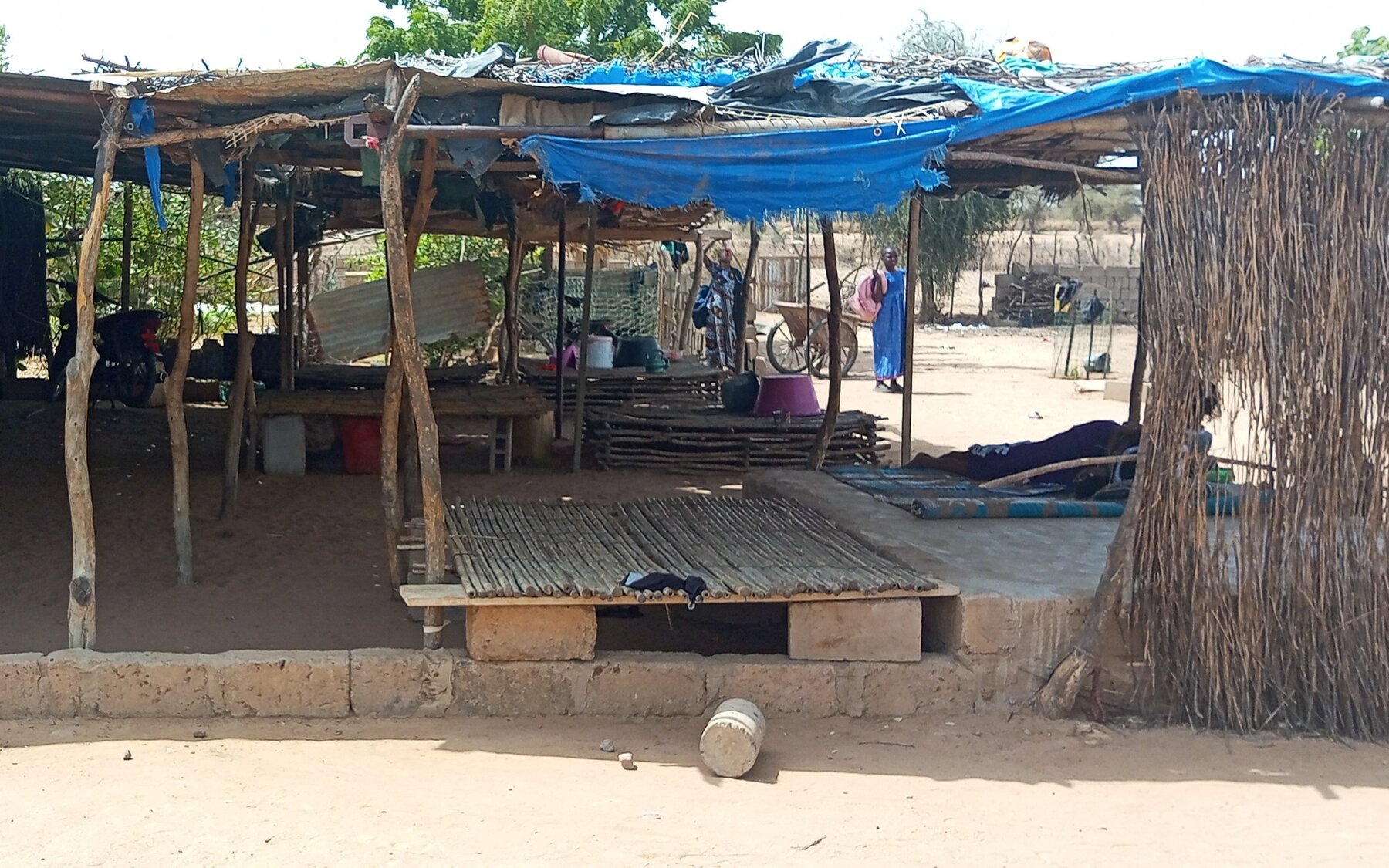
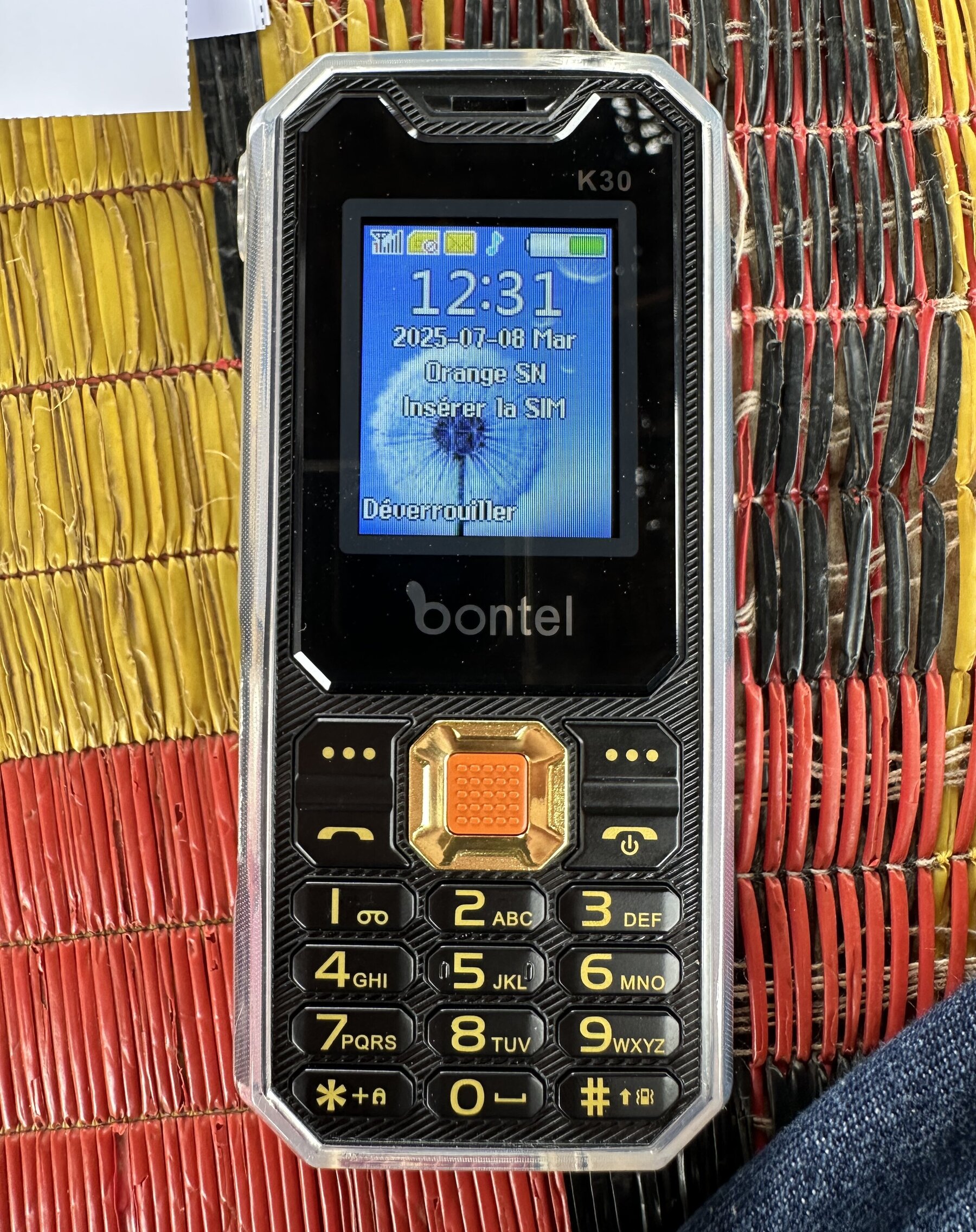

Staying in touch with family members who live far away matters deeply to her, but without a phone of her own, communication depends entirely on her husband’s availability. She avoids borrowing neighbours’ phones, not wanting to inconvenience them or expose personal matters. “If you borrow, people will know your business,” she says. “I don’t like that.”
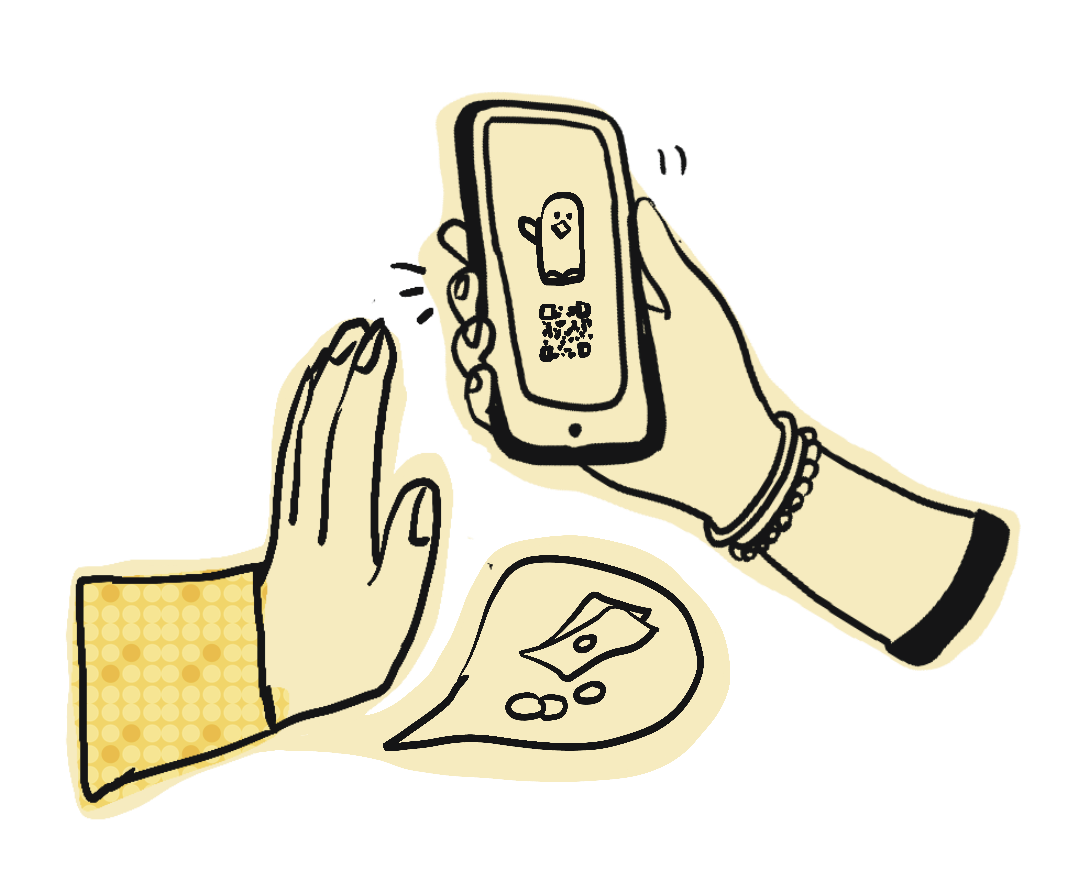
This lack of direct access also shapes how she handles money. Some buyers have suggested paying her through Wave, but she prefers cash.
Digital payments would require her to wait until her husband returns with his phone, delaying purchases for the household. “If I sell something, I need the money that day,” she explains. “I cannot wait.”
Occasionally, Binta watches videos or series when sitting with a neighbour who owns a phone, but she does not seek this out herself. The phone is not associated with entertainment or exploration in her mind. For her, it exists mainly as a tool for urgent communication, one she does not control.
Her Ecosystem of Learning and Facilitation
Binta does not operate phones independently.

When she borrows her husband’s phone, he dials the number for her and remains nearby. When the call ends, she hands the phone back. “I don’t hang up,” she explains. “I give it back and he finishes it.”
Because the phone is not hers and access is irregular, she has never felt it made sense to learn more. “It is not my phone,” she says simply. Her husband is her only facilitator, and he does not encourage her to use the device beyond speaking.
Still, Binta hopes this will change. She speaks about wanting her own phone, “It’s not easy to borrow,” she says. “The best thing would be to have something of your own.” For now, her use remains constrained by access, shaped by dependence, and limited to moments when her husband’s phone is available.