

- Age
- 25 Years
- Location
- Kaduna
- Marital Status
- Married
- Education
- Complete Secondary
- Pathways Segment
A young mother engaging with digital spaces primarily through listening and observation

For some women, stalled digital progression is not driven by lack of access or affordability, but by internalised norms about appropriateness and visibility. Even when women are connected and supported, they may self-censor because active participation feels socially risky or improper.
How She Uses the Phone
Hafsa is 25 and lives with her husband and young children in Kaduna. She completed secondary education and didn’t pursue higher studies. While she is quite comfortable in reading and writing Arabic, she struggles with anything beyond basic English. Her main digital space is WhatsApp. She joined a mothers’ WhatsApp group after being added by a neighbour, and it has become an important source of information for her around childcare, pregnancy, feeding practices, household health concerns, and religious guidance.

Most of the content in the group is shared as voice notes. This suits Hafsa well. “I don’t have to struggle and read,” she says. “I just listen.”
She often replays messages several times, especially when they talk about children falling sick or common problems in the home. Listening helps her feel informed and reassured, even when she does not fully understand the written messages that accompany the voice notes.
Hafsa rarely posts in the group. She does not ask questions or share her own experiences, even when she feels she has something relevant to contribute. “Sometimes I think, I also know something about this,” she says. “But I keep quiet.” She worries about whether it is appropriate for a woman to speak openly in a large group, especially outside her family. She is unsure how others might interpret her words or whether they might judge her for speaking too much. “People will read it in their own way,” she explains. “I don’t want trouble.”


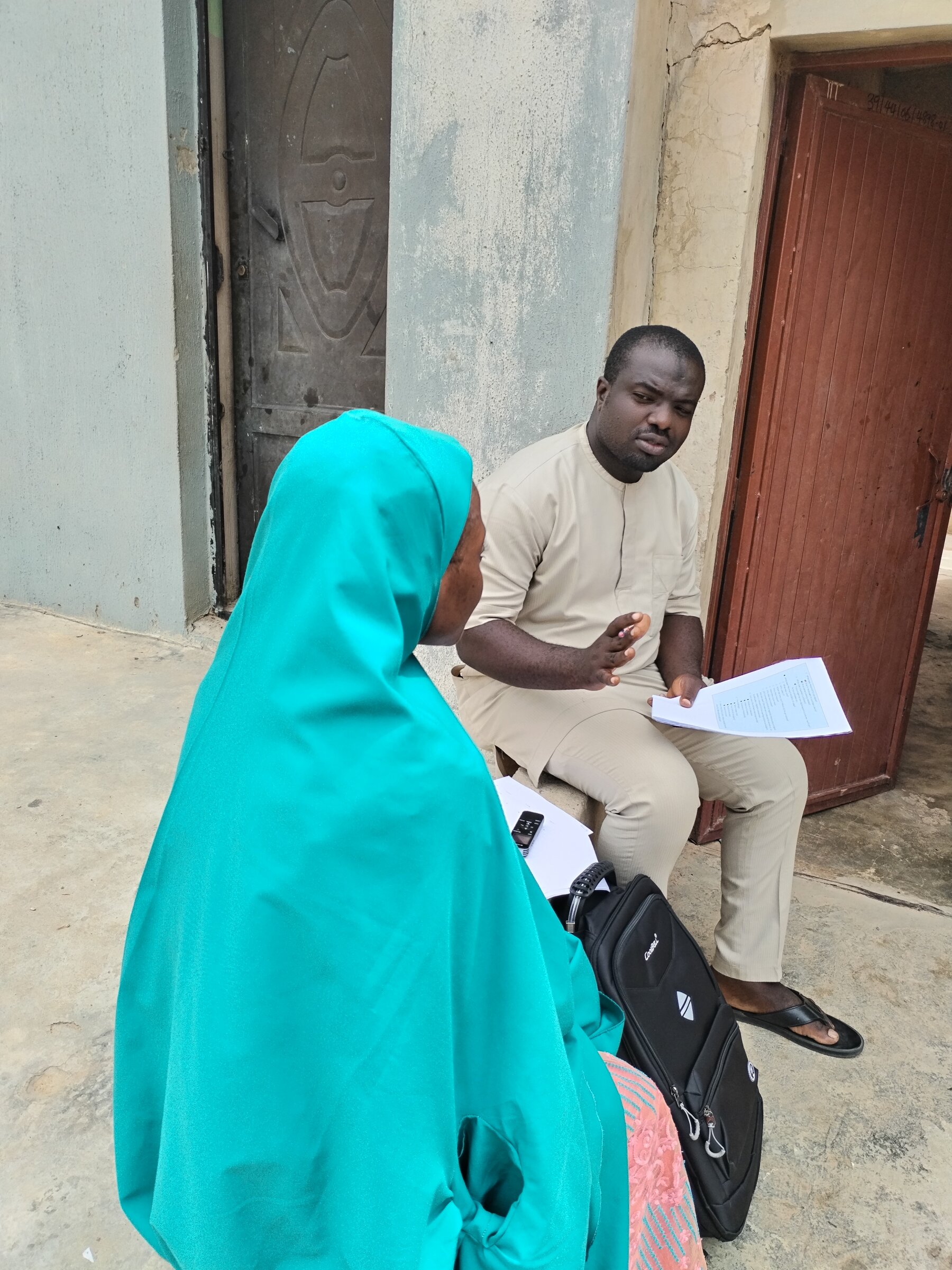
Her husband supports her being in the group and often points to it as a sign that his household is modern and progressing. He encourages her to listen carefully and believes the group teaches “good things.” At the same time, he is cautious about her digital presence. He has banned her from using Facebook and frequently raises concerns about women interacting with strangers online, especially men. “WhatsApp is enough,” he tells her. “Facebook brings problems.”
Although he does not say this to silence her, these warnings stay with Hafsa. They make her more careful and hesitant. Even within the mothers’ group, which is mostly women, she chooses to listen rather than speak. Her digital life is therefore narrow but meaningful: she learns, absorbs, and reflects, but rarely makes herself visible.
Her Ecosystem of Learning and Facilitation
Hafsa’s learning on the phone is guided largely by her husband. When written messages appear in the group, he often reads them out loud to her. If someone asks a question via text, he explains what is being discussed and tells her whether it is something she should pay attention to. Over time, Hafsa has learned to recognise patterns – she knows which messages are announcements, which are advice, and which are discussions — even if she cannot read them fully.
With voice notes, she is more independent. She listens on her own and decides which messages to replay or ignore.

If something is unclear, she plays it again with her husband present and asks him to explain unfamiliar words.
Sometimes, she discusses the advice with him later in the day, relating it to what is happening in their own household.
While Hafsa has become more confident in listening and understanding, she has not become more confident in speaking. Learning, for her, is about knowing when to listen, what to remember, and when to stay quiet. “I learn many things,” she says. “But I don’t talk much. It is better like that.”