

- Age
- 31 Years
- Location
- Kaduna
- Marital Status
- Married
- Education
- Incomplete Higher
- Pathways Segment
A home-based tailor in Kano stitching clothes for women in her neighbourhood
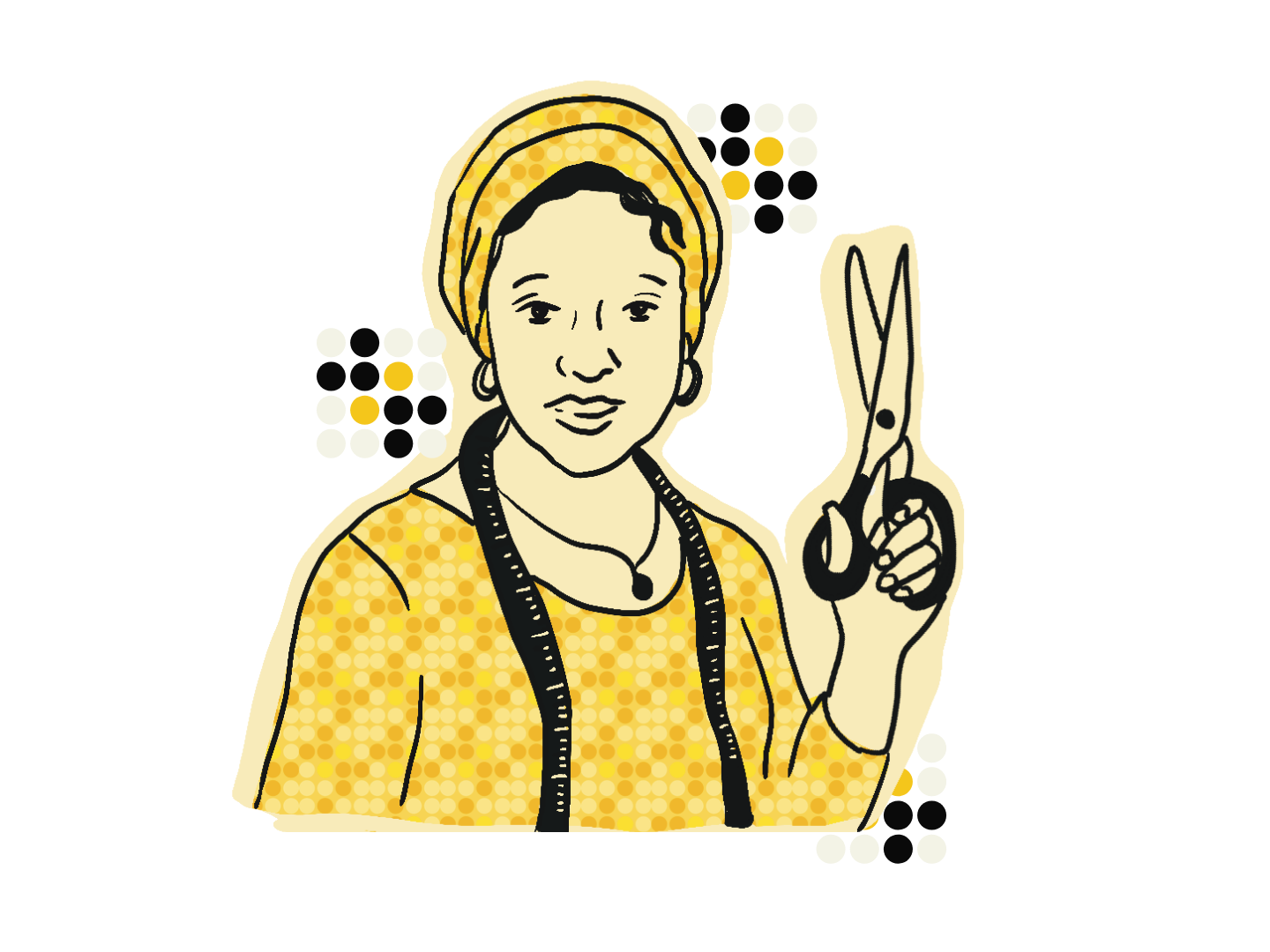
In contexts where women’s digital use is permitted but tightly controlled, learning can still happen but only within boundaries set by others. Curated access allows women to improve their skills while fixing limits on how far their work and income can grow.
How She Uses the Phone
Hauwa is 31 and lives in Kaduna. She works from home as a tailor, stitching clothes for women in her neighbourhood. Most of her income depends on repeat customers and word of mouth. Hauwa owns a feature phone, which she uses mainly for calls and WhatsApp. For learning new tailoring skills, she depends on her husband’s smartphone.
Her husband has an offline stitching app installed on his phone. This is the only app he allows her to use. When he is around, Hauwa borrows the phone to watch stitching videos.
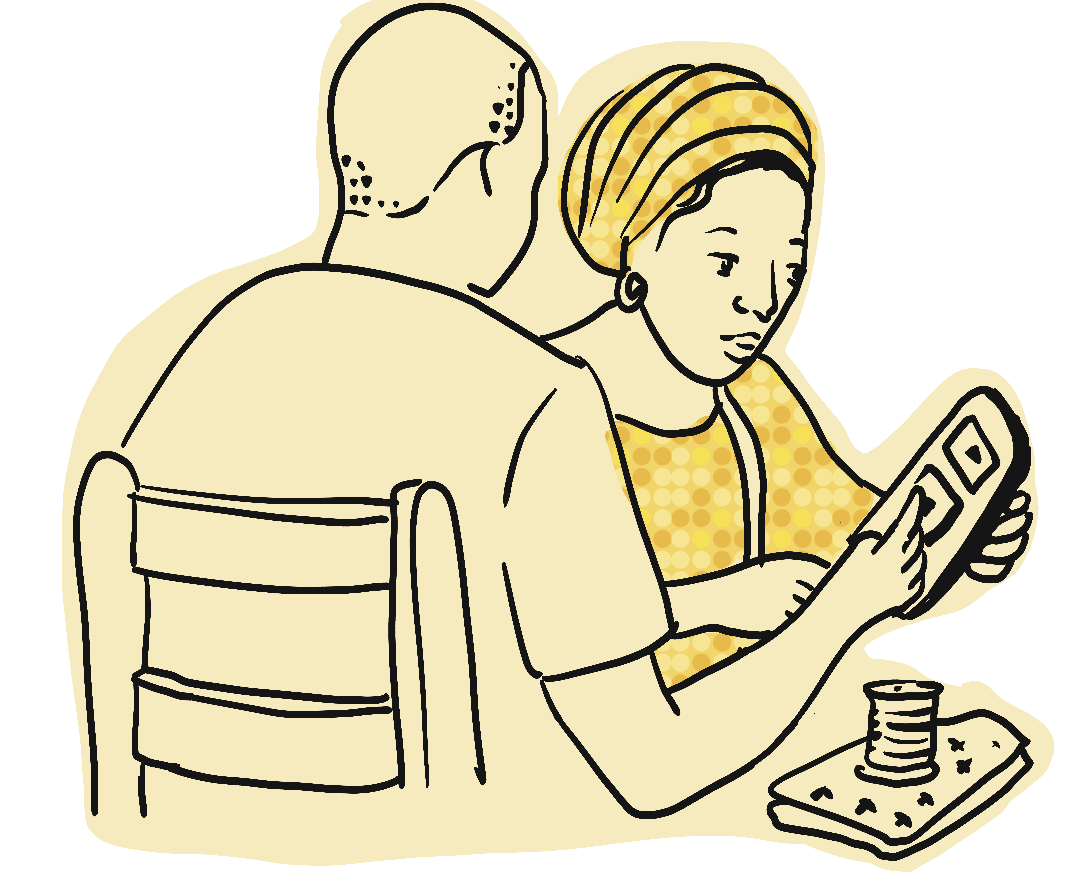
“He said this one is for work, so it is fine,” she explains. The videos are saved offline, and she watches them carefully, replaying the same steps many times before trying them herself.
These lessons help her improve finishes and learn new cuts, but only within the styles already available on the app.
Sometimes, her husband transfers selected videos from the stitching app to her feature phone using Bluetooth. This allows Hauwa to continue watching and practising even when he is not around.
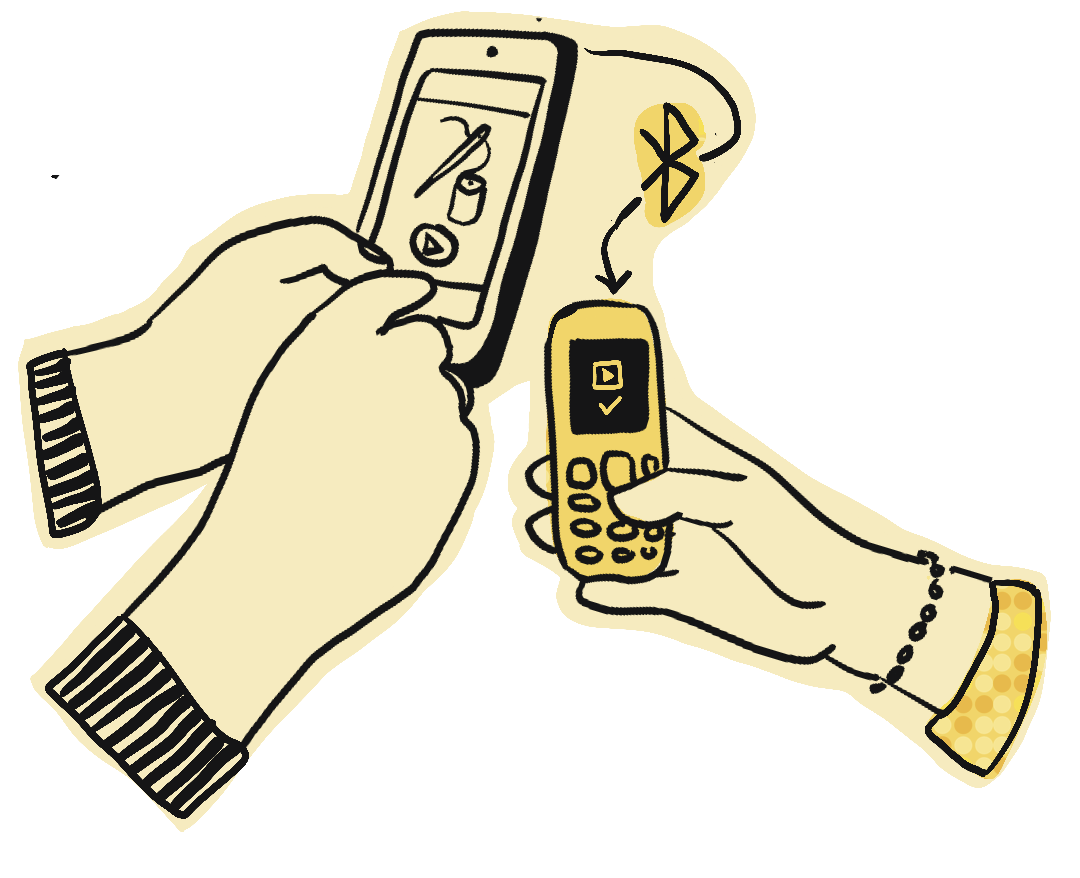
“If he sends it to my phone, I can use it anytime,” she says. These transferred videos matter to her because they let her practise on her own schedule, even though the content is still chosen by him.
She keeps these videos carefully, knowing they may be her only reference for weeks.
Charging is one of the biggest disruptions in Hauwa’s digital life. She does not decide when her phone goes for charging. Her husband takes both phones to a charging point, and they are often gone for a day or two. During this time, Hauwa has no access to her own phone at all. “When the phone goes for charging, that is all,” she says. “I just wait.” If a customer calls during this time, she misses the order. If she needs to check a design or measurement, she has to rely on memory. “I try to remember how it looked,” she explains.
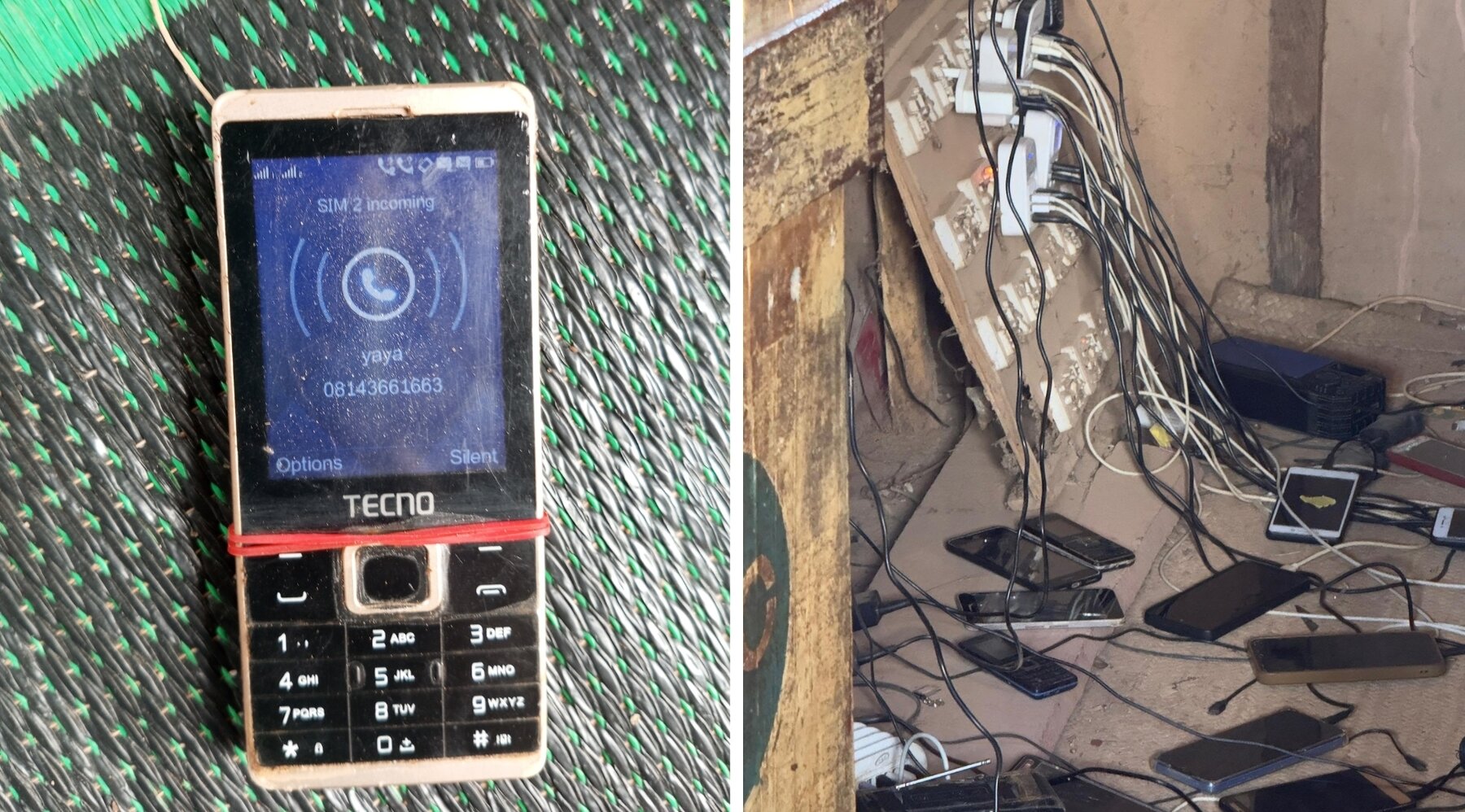
Hauwa uses WhatsApp to stay in touch with family and with familiar customers. She also uses Bluetooth to receive images and videos related to her tailoring work. Her digital use remains tightly focused on stitching and family communication. She does not advertise widely or look for new customers online. “I do the work I know,” she says. “People bring what they want, and I sew it.”.
Her Ecosystem of Learning and Facilitation
Hauwa learned how to use her phone through her husband. He decided which functions she needed and taught her accordingly. He showed her how to use WhatsApp to stay in touch with family and regular customers, teaching her how to send voice notes and take photos of finished clothes. “Voice notes are easier for me,” Hauwa says. “I don’t have to type.”
He also taught her how to receive and share content through Bluetooth, especially tailoring videos. He walks her through the steps and shows her again whenever she forgets.
“Sometimes I forget which one to press,” she explains. “So I give him the phone again.” Over time, she has become comfortable with the features she uses often and avoids trying anything unfamiliar on her own.
At the same time, her husband sets clear boundaries around what she should and should not use. He does not use Facebook around her and has not taught her how to access it. “Facebook is not for married women,” he tells her, explaining that it exposes women to interactions with strangers. Hauwa follows this rule closely. “I only use what he shows me,” she says. “That way there is no problem.”
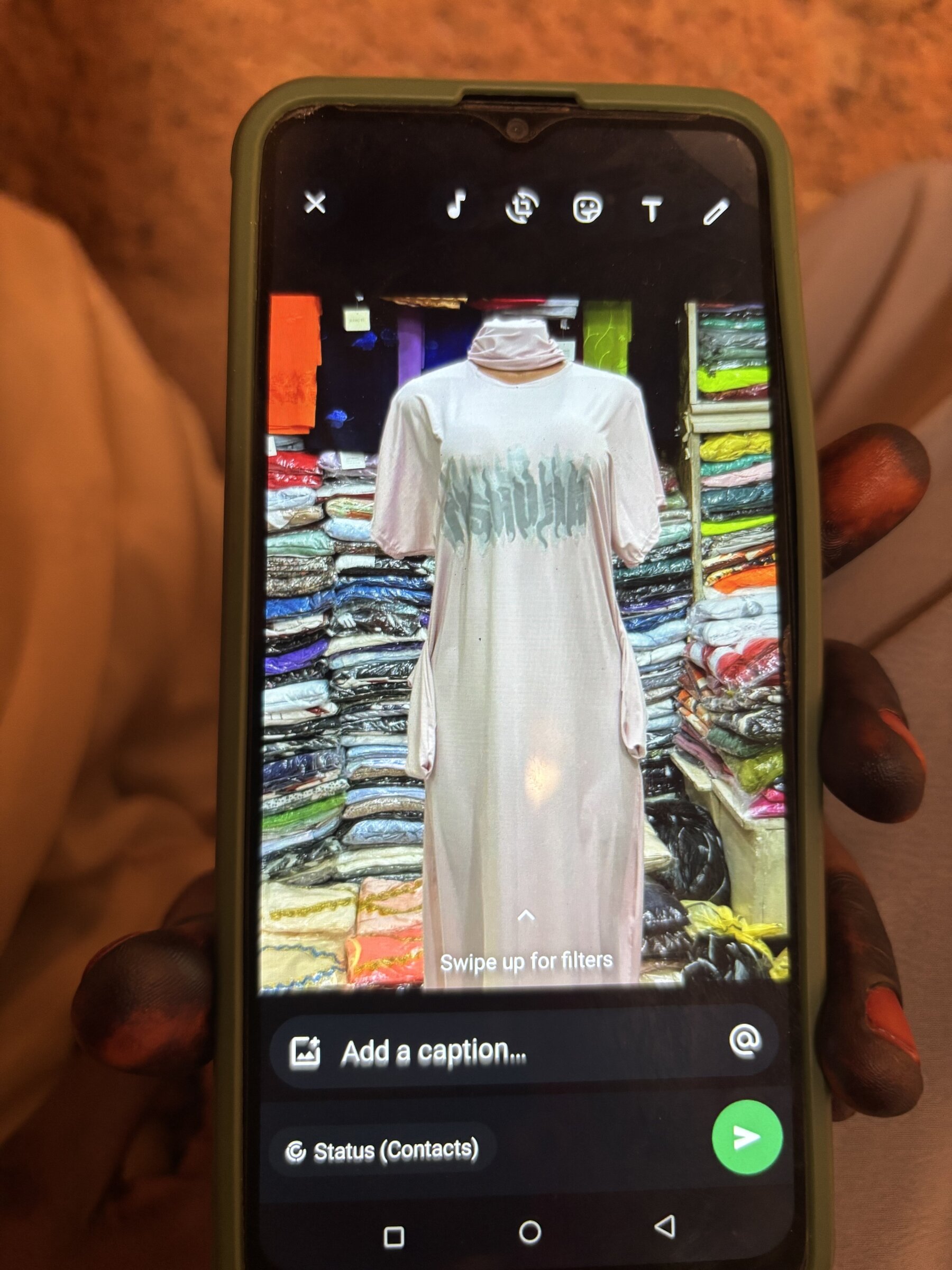
Her learning has improved her stitching, but there are also limits. She knows there are new designs and styles she does not see. “Sometimes customers show me pictures on their phones,” she says. “If it is too different, I tell them I cannot do it.” For now, Hauwa focuses on what she can learn and practise within the tools she is allowed to use, slowly building her skill while staying within the boundaries set around her.