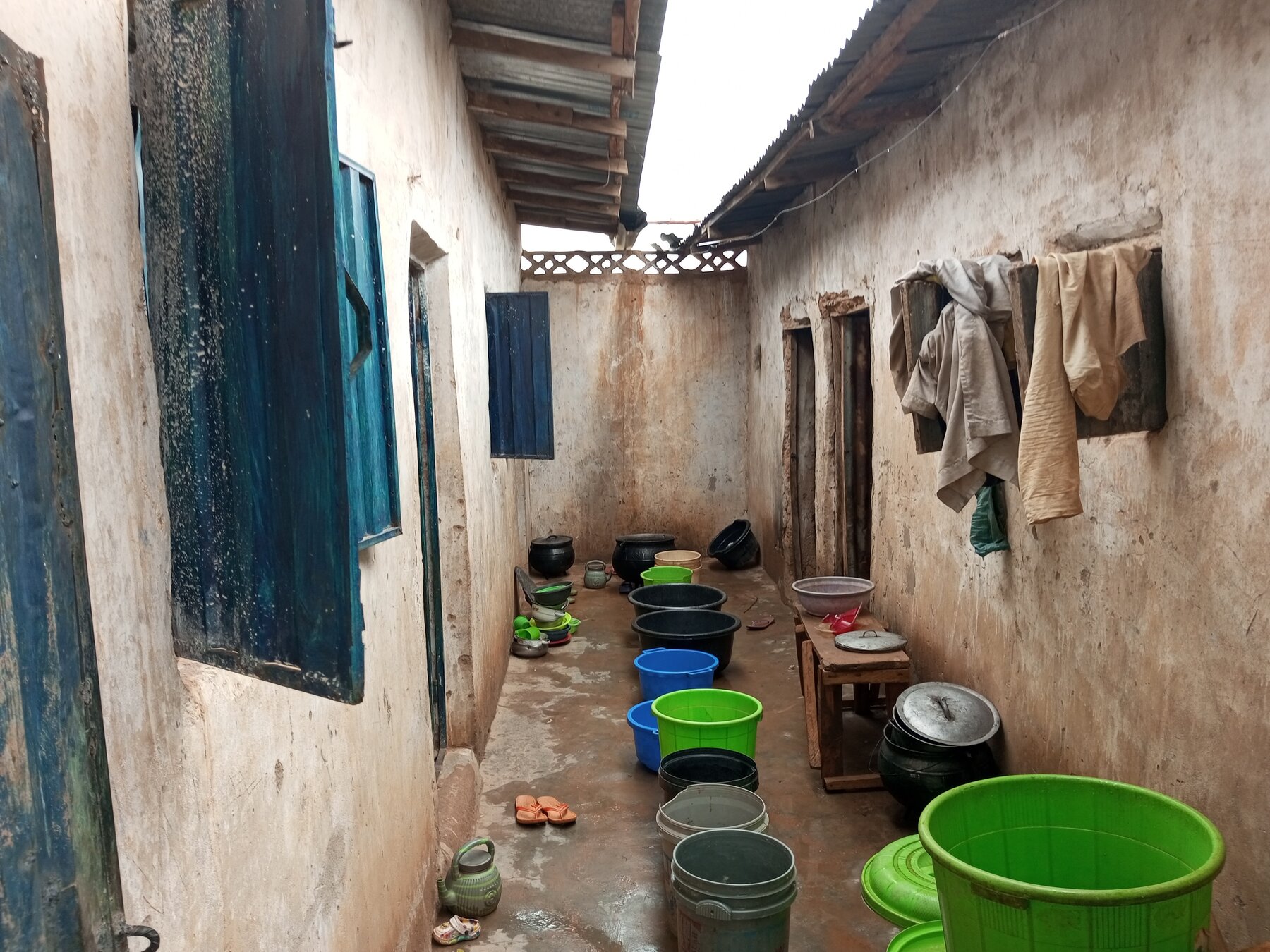
- Age
- 35 Years
- Location
- Lagos
- Marital Status
- Married
- Education
- Complete Secondary
- Pathways Segment
A laundry worker without a phone, relying on others to stay reachable for work

When affordability is a real constraint in women’s digital journeys, borrowing a device can help temporarily, but it does not solve the problem. Without affordable, personal access, women remain harder to reach, less confident using the device, and more likely to lose work opportunities.
How She Uses the Phone
Ogechi, 35, supports her family by doing laundry jobs for neighbours and small businesses nearby in Lagos. She once owned a basic handset that she used mainly for calls, but during a period of financial strain, she was forced to sell it to buy groceries. Since then, she has been without a phone. This loss has affected both her income and her sense of security.
Without her own device, Ogechi depends heavily on proximity and goodwill.

Most days, she relies on a neighbour to tell her when people have called looking for washing or ironing services.
Sometimes customers grow impatient when they cannot reach her; other times, she misses work entirely because she was not informed quickly enough. “If someone wants me and I don’t hear about the job quickly, another person takes it,” she says.
Even when she needs to check on her children or confirm an order, she must borrow a phone. Borrowing makes her anxious. She rushes through calls, afraid of pressing the wrong button or ending the call by mistake. She does not save contacts herself and relies on others to help her remember numbers. Over time, the lack of reliable access has made her uneasy. Without a phone, she feels exposed – unable to respond quickly, manage emergencies, or keep her work steady.
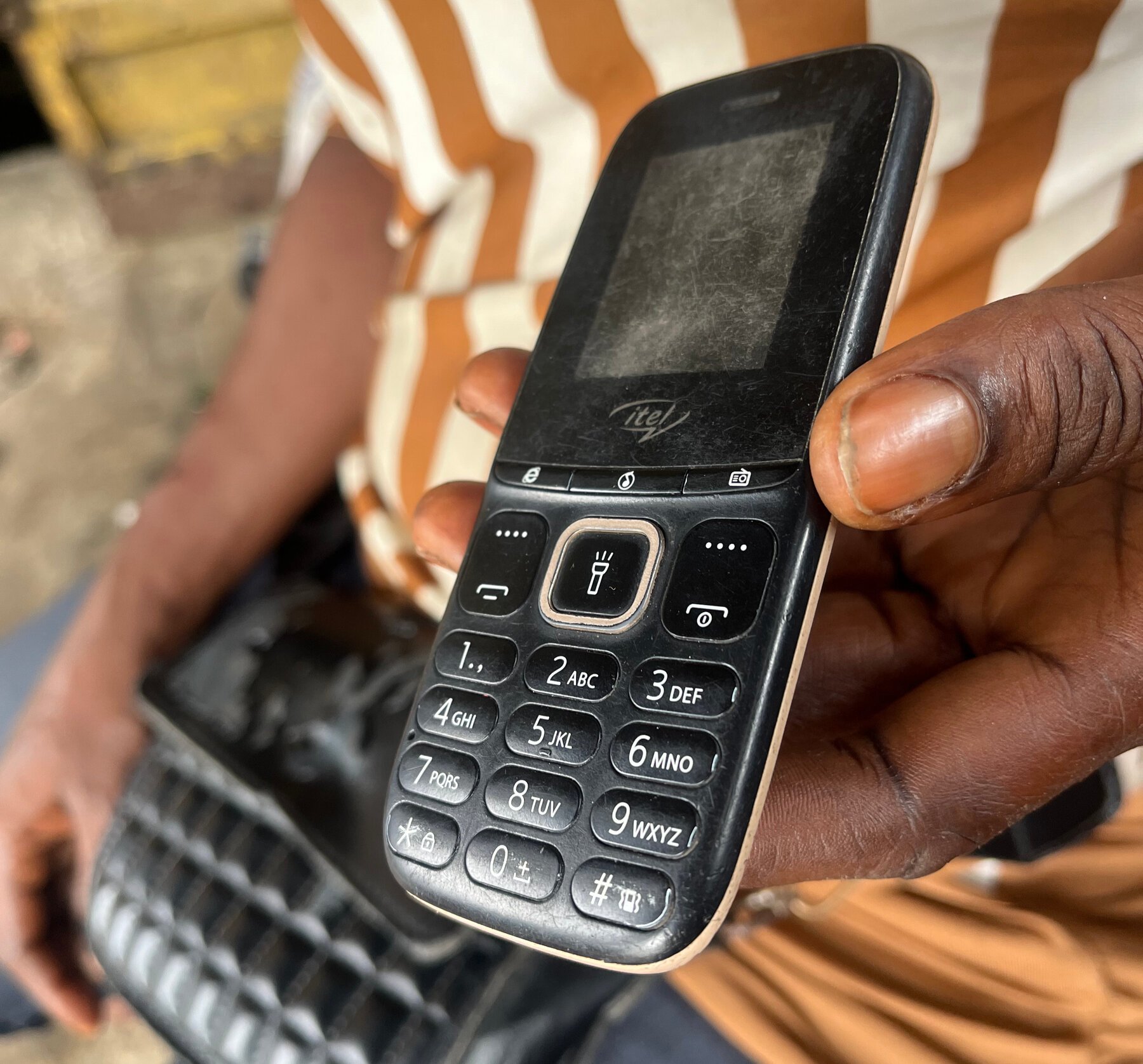
Ogechi does not dream of doing more with a phone. What she wants is simple: a basic, familiar handset that allows her to answer calls, speak to customers, and stay in touch with her family. “Just something I can use myself,” she says. “Nothing more.”
Her Ecosystem of Learning and Facilitation

Ogechi’s closest source of support is her neighbour, who lends her a phone and tries to teach her basic functions.
She shows Ogechi how to dial numbers, check recent calls, and return missed calls, often repeating the same steps several times. Sometimes she guides Ogechi’s finger across the keypad. “I watch her,” Ogechi says, “but when I try it myself, I get confused.”
Learning is difficult because Ogechi does not have regular access to the device. Once the phone is returned, she has no chance to practise or repeat the steps on her own. The next time she borrows it, she has to start again. This makes her hesitant and careful, especially because it is not her phone. She worries about spoiling it.

When customers call her neighbour asking for laundry services, the neighbour either relays the message or hands the phone to Ogechi to speak.
Even then, Ogechi is cautious and keeps the conversation short. Recently, she has begun giving out her neighbour’s number instead, so there is at least one reliable way for people to reach her.
Despite this, Ogechi remains determined. She asks for demonstrations again and again, hoping that one day she will fully understand the steps.